 TravTalk India Online Magazine

A decade ago, our television screens echoed the message during commercial breaks of our favourite programmes: “Only 1,411 left… Save Our Tigers.” One of the most recognised tiger conservation efforts in the country, launched in 1973, Project Tiger has paved the way for responsible wildlife tourism. Since then, the number of tigers in the country has reached between 3,000 and 4,000 — but there is still a long way to go.
Rahul Bhadana
On 17 November 2025, the Supreme Court issued a new regulation, advocating stricter controls on tiger safaris in core forest zones and a complete ban on night tourism. The order stated that tiger safaris can now operate only on degraded forest land in buffer zones and on non-forest land. This has led to confusion among travel agents, tour operators, lodges, and hotels offering tiger safaris. While many fear that the Supreme Court guidelines will change the wildlife tourism industry forever, experts seem more welcoming and appreciative of these regulations.
Step in the right direction
 Amit Sankhala, Owner, Encounters Asia and Tiger Resorts — following in the footsteps of his father, Pradeep Sankhala, and grandfather, Kailash Sankhala, the ‘Tiger Man of India’ and the first Director of Project Tiger — said, “The new safari regulations are a positive step for tiger conservation and responsible tourism. There has been unnecessary panic within the tourism industry. Contrary to what some media reports suggest, tiger tourism is not being phased out or moved entirely to buffer or farmland areas. What the Supreme Court is emphasising is simply that permanent concrete constructions — like what was happening in Corbett — should not be allowed inside core zones or national parks.”
Sankhala added, “Across India’s tiger reserves, there are already clear ecotourism guidelines from the NTCA, and the Apex Court is reinforcing them: lodges must be built sustainably in eco-sensitive zones, without loud parties or commercial weddings inside national parks. Tourism should grow in a way that supports conservation, sustainability, and sensitisation of local environments. If we follow good ecotourism principles, conservation and business can grow together.”
Regulation needed?
Sharing a data-driven perspective on the ruling, Vishal Singh, Director, TOFT India, said, “Well-regulated, science-based wildlife tourism has consistently proven to be a powerful conservation tool — providing livelihoods, supporting protection efforts, and incentivising long-term habitat security. The real challenge is not tourism itself, but its mismanagement.”
Clearing the air
Setting the record straight on the buzz about how the industry will adapt to the new regulations, Akanksha Garg, Founder-Director, Waxpol Hotels & Resorts, said, “The Court has banned fenced, zoo-style tiger safaris in core areas, with the exception of degraded land in buffer zones, while also strengthening rules on noise, waste, water use, and development. This means tourism will continue, but with higher environmental standards, more community participation, and stricter protection of wildlife corridors. Safaris will remain open and operational. Visitors can expect a cleaner, quieter, more responsible wildlife experience designed to protect tiger habitats for the long term.” She emphasised the need to adopt more responsible wildlife tourism methods.
Is the industry ready?
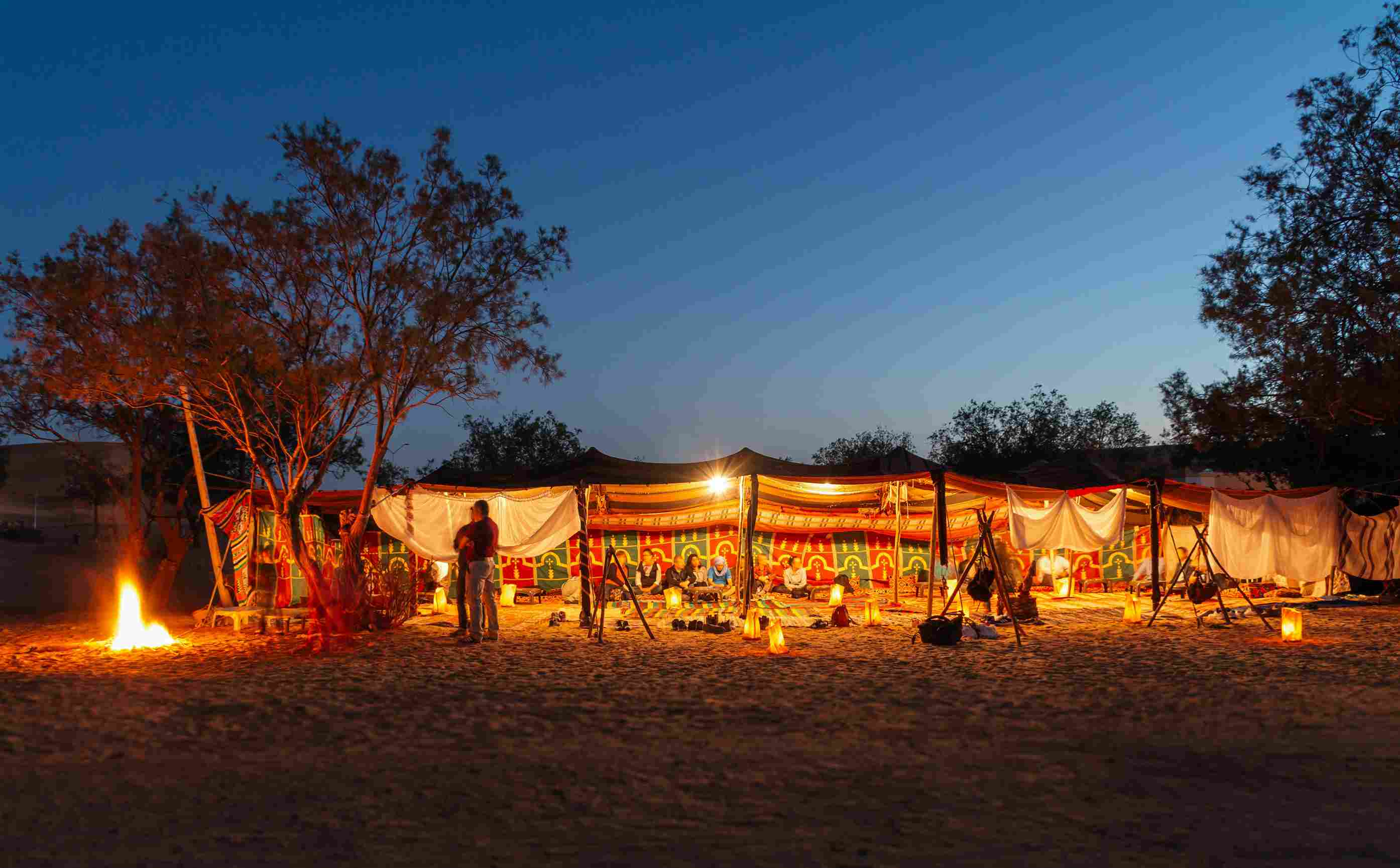 While adjustments are being made to bring tiger safaris to non-forest land, night tourism has been prohibited in tiger reserves completely, along with mobile phones in core habitats. A strict rule now enforces no traffic from dusk till dawn on roads leading to core or critical tiger habitats. Safaris permitted in buffer areas will also need to be linked with full-fledged rescue and rehabilitation centres for injured or conflict-prone tigers, strengthening the conservation focus behind tourism activities.
As wildlife tourism is taking a turn towards a balance of business with sustainability, the question remains: is the industry ready?
Adding his expertise and ground-level understanding of the situation, Sunil C Gupta, Managing Director, Travel Bureau and Chairman, IATO Northern Region, said, “The six-month implementation window provides the industry enough time to adapt, as states notify core and buffer zones and update their tiger conservation plans. Lodges are already innovating to offset night-tourism restrictions by introducing guided nature walks, stargazing sessions, village interactions, and conservation-focused experiences in buffer areas. These alternatives ensure continued guest engagement while aligning tourism more closely with ecological sensitivity.”
With many such developments underway, one thing is clear: the future of wildlife tourism will reflect the fine balance between business and sustainability. The industry needs to remain agile and adaptable to make way for responsible, clean, and greener tourism.