 TravTalk India Online Magazine

Wellness travel is increasingly shaped by the pressures of modern living, as travellers look for ways to restore balance rather than seek indulgence alone. In India, this shift opens the door to re-examining local health traditions that extend far beyond spas and Ayurveda. In this article, Shoba Rudra, Founder, RARE India, reflects on how wellness tourism must evolve to remain meaningful, inclusive and rooted in everyday practices.
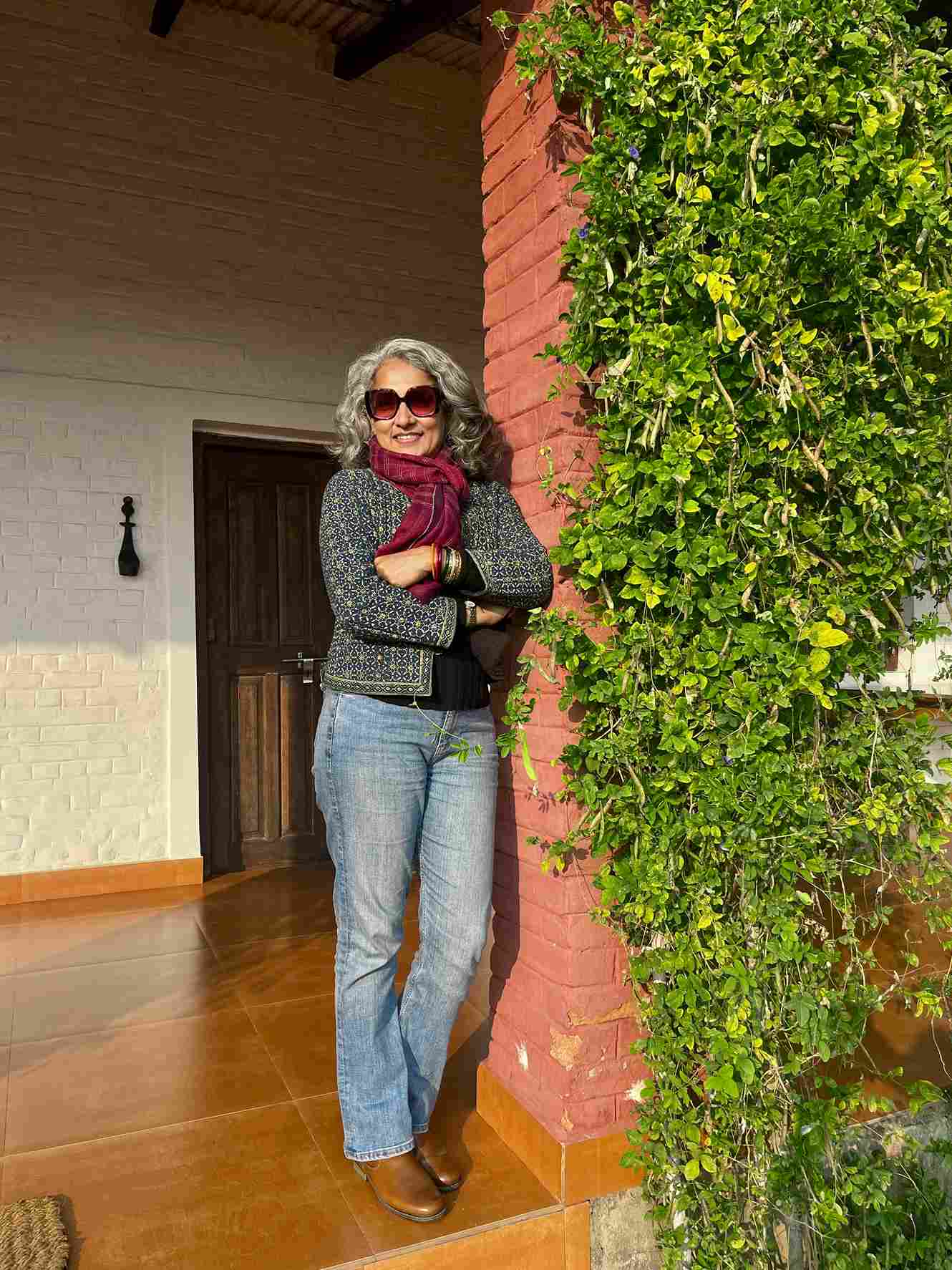
The Article is attributed to Shoba Rudra, Founder, RARE India
Look around your urban living spaces and ask yourself what the essential elements of healthy living are that you can truly take for granted. Even the absolute basics — water and air — must pass through machines before they can be consumed to survive. This is our living life force. Even when one moves away to greener and cleaner spaces, our food habits and the produce we consume are far removed from the nutritious food our ancestors ate not very long ago.
Supplements now seem essential, which is unfortunate for a country like India, whose kitchens are meant to be loaded with condiments and spices — true treasure chests of longevity and health. The threat today is both physical and mental. Given the stress of living in metro cities, towns and even tier-two cities — driven by rapid development, expanding work scopes, population growth and traffic — maintaining a healthy day-to-day life feels almost impossible.
This demands an extremely centred and aware lifestyle, which is not as easy as many Instagram influencers claim, holding up a bottle of one pill or another. In such a scenario, vacations — once joyful outings spent with friends and family — are increasingly stitched together with ‘pamper me’ time at spas or individual breaks focused on immunity, detox and cleansing of the body and mind, seen as essential escapes from city life and work.
Wellness is now seen as travel’s hitherto unexplored potential, with data analysts predicting it to grow into a multi-trillion-dollar industry by 2030. As the segment booms, it is important to examine opportunities, growth and innovation within it. India has leaned heavily on the Ayurvedic route to wellness and health for over three decades, to the point where ‘spa’ has become synonymous with ‘Ayurvedic spa’. Nearly every hotel, resort and lodge — particularly in the leisure segment — offers some form of spa experience.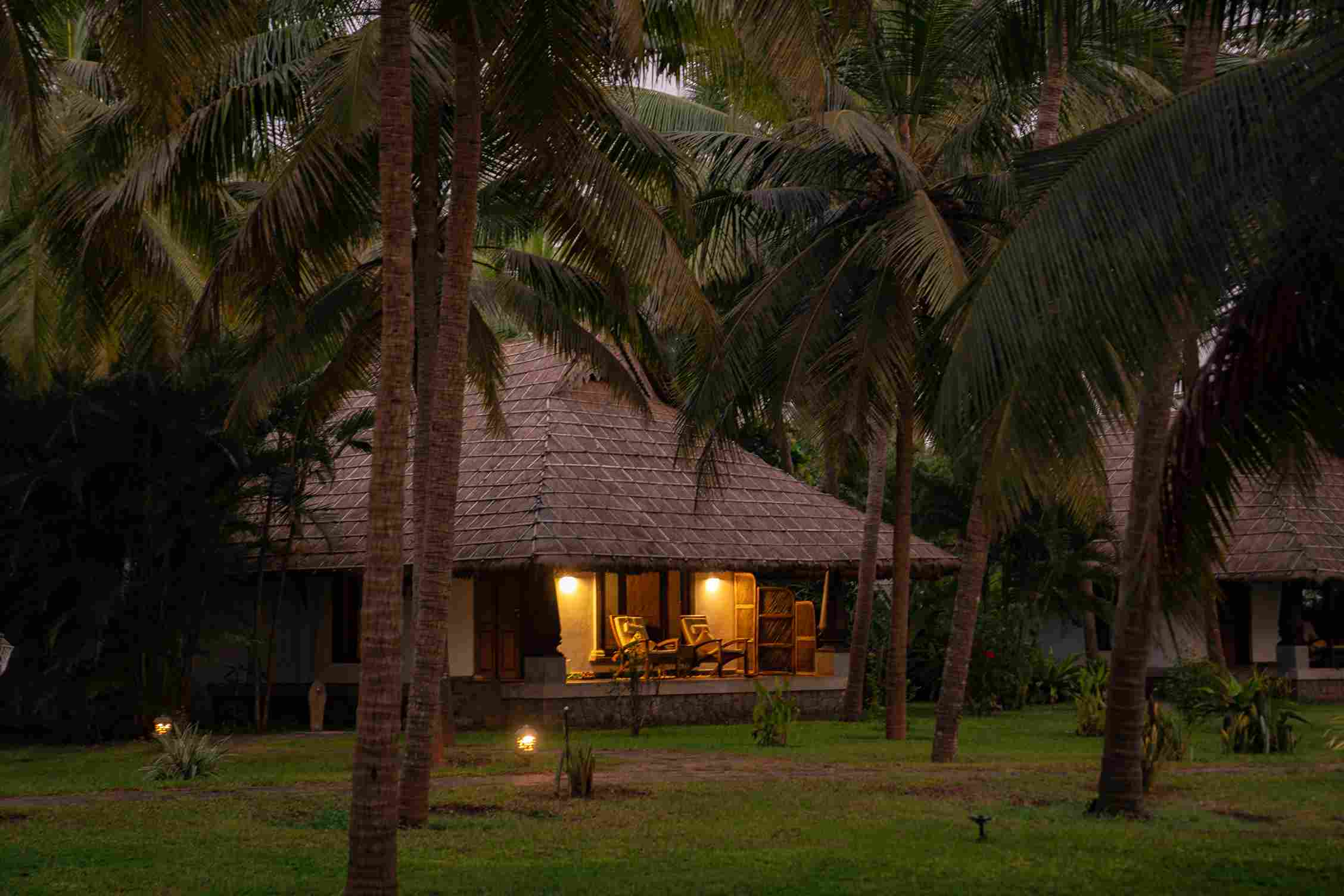
At the same time, smaller and more remote hotels are tapping into local and regional wellness traditions and community skills related to personal health as offerings for travellers from around the world. In these small and regional properties lies immense potential for innovation and growth. This not only creates a competitive edge over large corporations steadily moving into the space, but also involves communities and their traditional skills, building a unique character for the hotel while generating employment.
Examples include the healing traditions of the Khasi community of Meghalaya, the Siddha traditions of Tamil Nadu, Sowa Rigpa, rooted in Tibetan medicine, and Unani, which traces its origins to ancient Greece.
Not so long ago in India, practices such as oil baths, malish (massage), weekly fasts, castor oil therapies and seasonal eating were part of everyday life — sadly forgotten in the modern rush for a ‘better life’. Returning to these practices is essentially a return to health and balance, and this is what the wellness industry needs to address.
It may seem counterintuitive to the wellness industry, but promoting healthy living on a day-to-day basis is a long-term message. While it places focus on personal health, it also raises awareness about the conditions people choose to live under in the name of ‘progress’.
For India, wellness need not be confined to the narrow paths of yoga and Ayurveda. There is immense diversity in local traditions suited to specific landscapes and cultures. With increasing focus on mental health, practices such as Shinrin Yoku can easily be integrated into wellness therapies, particularly in forest lodges where private retreats are slowly emerging as a viable offering — especially given the seasonality of wildlife tourism.
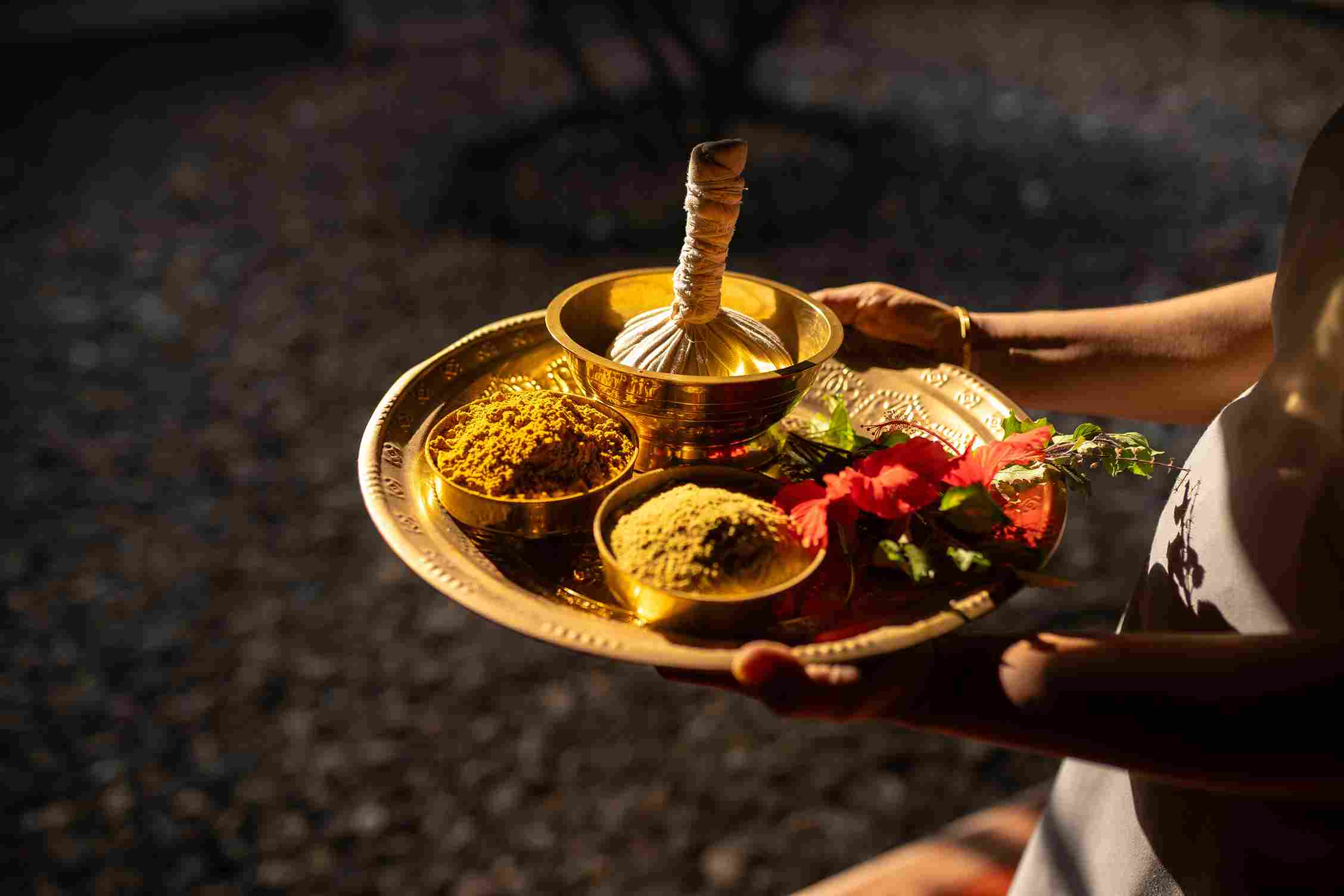 Wellness must expand beyond the conventional spa and yoga retreats that dominate perceptions of India today. This requires commitment from both the hospitality industry and the government towards in-depth research and development. The sector must shift towards narratives and offerings that are holistic — not only in therapies for the mind and body, but also in preserving diverse wellness traditions across the country.
India holds a national treasure in wellness and health traditions. Each has the potential to become a defining cultural highlight of the state it originates from, before someone else recognises it first.
**Views expressed are the author’s own. The publication may or may not subscribe to them.