 TravTalk India Online Magazine

India’s inbound tourism revival is being held back by a severe shortage of trained, multilingual guides. Experts feel there is a strong need for urgent training, certification, and language development reforms to strengthen this weak link in tourism.
TT Bureau
India’s booming domestic and international travel sectors are placing renewed focus on the role of trained tourist guides. While North India boasts a healthy supply of guides, key regions — including Maharashtra, Gujarat, South India, and the East — are facing shortages. Industry experts warn that this imbalance could impact visitor experiences, affect local tourism revenue, and strain the quality of service at popular destinations. The gap also exposes structural weaknesses in training and wage enforcement across the country.
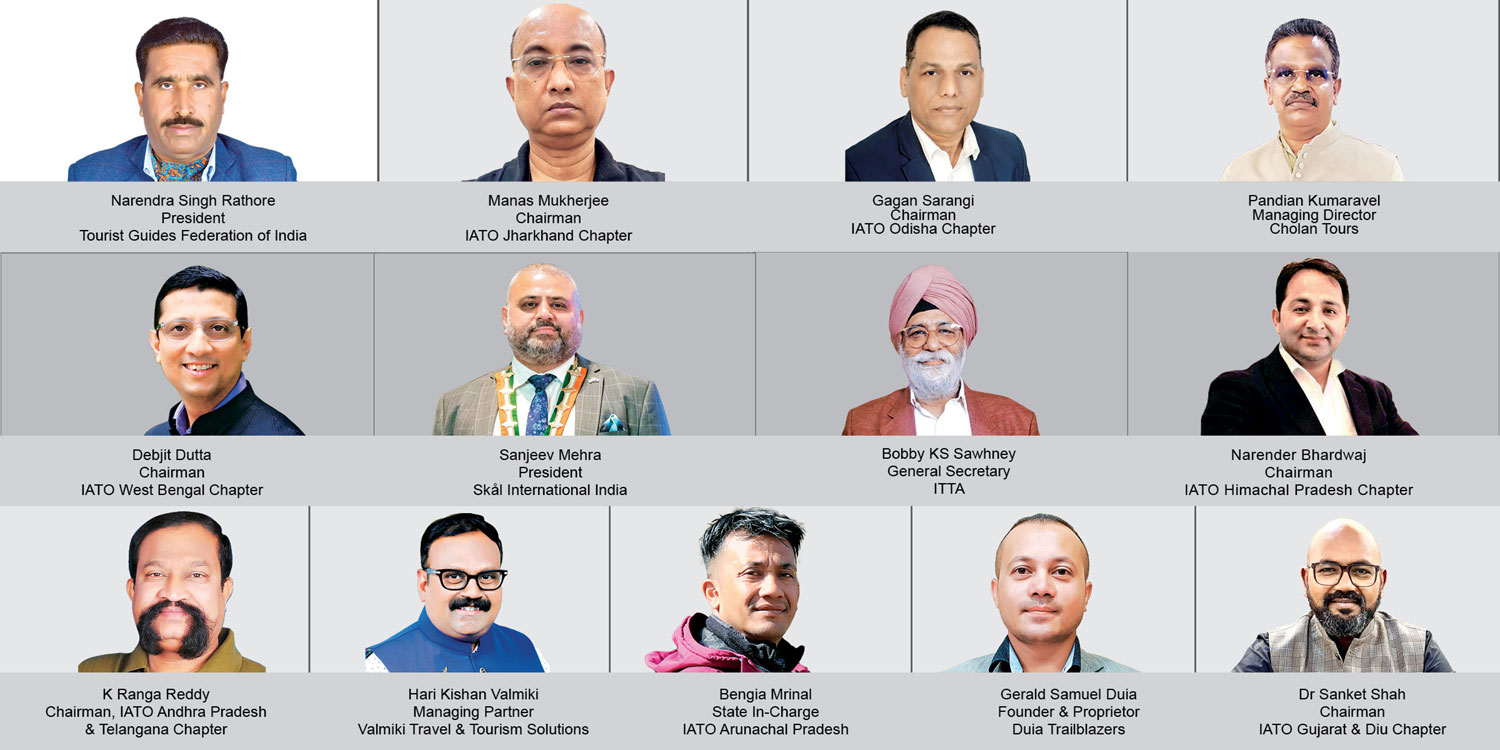
Narendra Singh Rathore, President, Tourist Guides Federation of India (TGFI), says the root of the problem lies in policy changes since 2017, when the government shifted from station and state-specific training to a centralised system. “Before 2011, training programmes were tailored to the needs of each destination based on tourist footfall and historical trends. Now, fewer applications come from regions with guide shortages, and online programmes cannot replace physical, station-based training,” he explains.
Rathore also highlighted challenges in North India, where high guide availability has not translated into fair pay. “Only a few companies pay the full rates set by IATO and TGFI. Others underpay, reducing the value and importance of guides,” he said. TGFI is urging the ministry to reintroduce area-based, physical training programmes that align guide numbers with tourist demand, ensuring service quality and equitable compensation. Industry stakeholders emphasise that rebuilding the guide ecosystem is critical — not just for visitor numbers, but for sustaining regional tourism.
Manas Mukherjee
Chairman
IATO Jharkhand Chapter
Jharkhand faces a major shortage of trained tourist guides, especially English-speaking ones. Not a single guide is available who can properly tell the story of Jharkhand, and for French or Spanish visitors, guides must be brought from Delhi and briefed about the state. Without local history and destination knowledge, they cannot convey the real story. Training has started under the Ministry of Tourism and Jharkhand Tourism, but there has not been much progress.
Gagan Sarangi
Chairman
IATO Odisha Chapter
The industry continues to face a serious shortage of trained tourist guides, especially those proficient in quality English for international visitors. Many certified guides have shifted to other professions, leaving a limited pool available for assignments. This gap impacts service standards and overall visitor experience. We have repeatedly highlighted the issue to the tourism department. A stronger push is needed to rebuild a pipeline of well-trained, competent guides.
Pandian Kumaravel
Managing Director
Cholan Tours
There is a significant shortage of language guides not just in Tamil Nadu but across South India. The highest demand today is for Chinese, Japanese, and Spanish-speaking guides. For instance, we often have to source Spanish guides from Delhi because we lack local expertise. With China reopening its borders for tourism, the need for Chinese-speaking guides is even more urgent, as South India has none.
Debjit Dutta
Chairman
IATO West Bengal Chapter
There is a serious crisis for inbound and language guides. For French, German, Italian, Spanish, and Japanese travellers, the numbers are limited, and we have to get people from Delhi. English-speaking guides are available but not many are experienced enough. Fresh guides are not equipped to handle high-value clients. For German tourists, we have two or three people. The situation in North Bengal and Sikkim is even more challenging.
Sanjeev Mehra
President
Skål International India
There is a significant shortage of trained language guides across several states, especially in high-growth destinations. With post-pandemic tourism rebounding, demand has outpaced the supply of certified multilingual guides, particularly during peak seasons when international groups require specialised linguistic support. At Skål International India, we are working with universities and language institutes to encourage more young professionals to pursue guiding as a career.
Bobby KS Sawhney
General Secretary
ITTA
In Delhi NCR, there is effectively no shortage of language guides, as numerous institutes offer well-structured courses in Chinese, German, Japanese, Spanish, French, and other languages, supported by experienced trainers and flexible learning formats. Demand is currently strongest for Chinese and German guides. Any minor gaps can be bridged through expanded courses, stakeholder collaboration, and government-supported crash courses for existing guides.
Narender Bhardwaj
Chairman
IATO Himachal Pradesh Chapter
Himachal Pradesh is facing a clear shortage of certified language guides, especially in peak seasons. While Hindi-speaking guides are available, the number of good guides fluent in foreign languages, including English, remains limited. The highest demand today is for English, French, German, and Spanish, as these are essential for premium and European travellers visiting the state. This gap can be reduced through government-backed initiatives and language training.
K Ranga Reddy
Chairman, IATO Andhra Pradesh & Telangana Chapter
There is a clear shortage of language guides across our region. Telangana has only English-speaking guides concentrated in Hyderabad, while Andhra Pradesh currently has no licensed guides at all. With our important Buddhist circuit, the need for Korean, Japanese, and Chinese guides is especially urgent. To address this, guide availability must be recognised as essential tourism infrastructure, with the outdated IITFC/IITG system replaced by clearer pathways and practical training.
Hari Kishan Valmiki
Managing Partner
Valmiki Travel & Tourism Solutions
In Telangana and Andhra Pradesh, we do not face a shortage of language guides because inbound traffic is relatively low and most visitors are comfortable with English, which we can easily cater to. Only on rare occasions, when we need Italian, French, or Spanish guides, we bring them in from Chennai. The primary demand here remains for English and Hindi. With Telangana receiving the UNESCO tag, future demand may grow.
Bengia Mrinal
State In-Charge
IATO Arunachal Pradesh
Guides are our biggest gap in the Northeast tourism ecosystem. While we have incredible landscapes, culture, and festivals to showcase, we lack trained and certified guides who can interpret these experiences meaningfully for inbound travellers. If the Ministry of Tourism or state governments invest in structured training and awareness, more youth will see guiding as a viable profession — strengthening our human resources.
Gerald Samuel Duia
Founder & Proprietor
Duia Trailblazers
There is a clear shortage of skilled and certified language guides in Meghalaya, especially for specialised segments like birdwatching, heritage, adventure, and ecotourism, where travellers expect depth, safety awareness, and meaningful interpretation. Demand is highest for trained English-speaking guides, along with Hindi and South Indian language experts as domestic tourism grows. This gap can only be bridged through structured, field-based training.
Dr Sanket Shah
Chairman
IATO Gujarat & Diu Chapter
There is a significant shortage of language guides in Gujarat. During peak season, we are compelled to bring in guides from other states, such as Delhi, Mumbai, and Rajasthan. This becomes quite expensive, as we also need to cover their flight costs and other logistical expenses. In Gujarat, the highest demand is for English, French, and Italian-speaking guides. Due to limited availability of qualified guides, we are often unable to attract inbound tourists effectively.