 TravTalk India Online Magazine

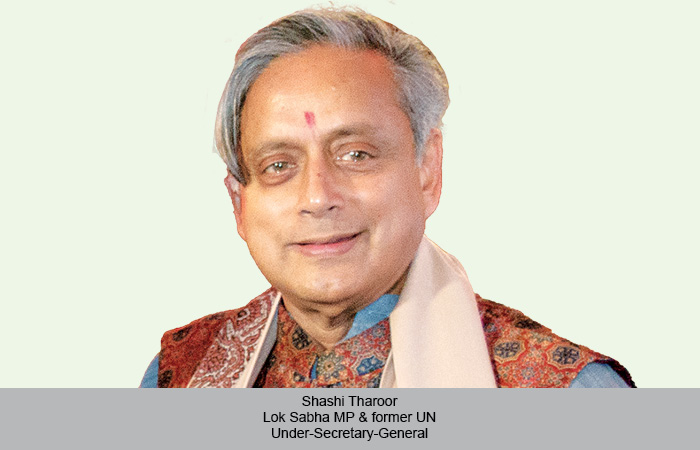
India holds the richest library in the world, yet we compress this wealth into a single slogan, Incredible India, as if a single phrase could possibly encompass the entirety of our civilizational abundance, says Shashi Tharoor, former UN Under-Secretary-General. He underlines the three I’s that India needs to address to welcome international visitors.
Hazel Jain
Tourism can only truly fulfil the role as a pillar of our progress for Viksit Bharat if we acknowledge and address the obstacles that hinder its potential. Shashi Tharoor, Lok Sabha MP & former UN Under-Secretary-General, call them the three I’s. The first I is image. “India alas still suffers from being trapped in an outdated picture frame, one painted in the colours of poverty, squalor, and unsanitary conditions. Other images are unfair caricatures which we must urgently dispel. Too often the world remembers India for what is wrong rather than for what is wondrous,” he says.
The second I is infrastructure. “We can take justified pride in the gleaming international airports that now welcome visitors with an ambience worthy of any global hub, including Mumbai. The rollout of new airports and the line-up of modern aircraft, and the new Navi Mumbai airport reflect a nation confidently taking flight into the future. But too often the sheen fades the moment one steps outside. Clean toilets at heritage sites are scarce. Roads to our hill stations and beaches remain pitted and potholed and connections to smaller yet spectacular destinations are woefully inadequate. Presenting our cultural treasures well is not just a matter of aesthetics, it is above all a matter of national honour,” Tharoor explains. Then there is a third I, immigration. The e-visas have been a leap forward, but the promise of digital convenience is too often soured by the reality at the counter. “If we are to aspire to global leadership in tourism, we must ensure that the very first human interaction a traveller has on Indian soil reflects the hospitality we so proudly proclaim. As we chart our path forward, we must pay heed to the models our neighbours in Asia already exemplify,” Tharoor says.
Bhutan model
Tharoor picks Bhutan first, which has gained global recognition for its high value, low impact tourism model. By levying a sustainable development fee to fund conservation and community projects, Bhutan has limited visitor numbers while ensuring that tourism strengthens rather than strains its environment and culture. This strategy has helped it steadily increase foreign exchange earnings without eroding its heritage in contrast to India where infrastructure gaps and the pressures of mass tourism make sustainable growth harder to achieve. “Take Thailand, a country of modest size but one that has made tourism a central pillar of its economy,” he says.
Getting to the gist of it, Tharoor says that we should not speak of one Incredible India, but of many Incredible Indias. “When international tourists arrive in India, they should be invited to choose their own chapter in our vast epic, whether it’s tracing the footsteps of the Buddha, watching the sunrise over the Ganga, or losing themselves in the colours of Holi. Ours is not one story but a thousand stories, not one experience but a million experiences. To the world we must say, come and find your India.”